





Palladian architecture

Palladian architecture was inspired by the designs of the Venetian architect Andrea Palladio and his 1570 book, I Quattro Libri dell'Architettura (Four Books of Architecture).
The architect Inigo Jones introduced the style to England after a trip he made to Italy in 1613-14, where he had been inspired by the Renaissance architecture flourishing there, in particular the works of Palladio.
Among the finest examples of Jones’ work are the Queen’s Chapel at St. James Palace (1623), Banqueting House at Whitehall (1619-22) (see top and bottom images), and the Queen’s House at Greenwich (1635).
Following the English Civil War (1642-51), the country endured a prolonged period of austerity, during which Palladianism went into decline.
During the mid-17th and early-18th centuries it resurged in popularity, not only in England but also in countries such as America and Prussia. It was around this time that Palladio’s book was translated by Giacomo Leoni, at the same time as a series of books reproducing the designs of Inigo Jones.
Palladian architecture continued to be popular throughout the 19th and early-20th centuries, although it was immersed within the ascendant movement of Neoclassical architecture. In contrast with Palladianism, which followed Palladio’s Renaissance-era interpretations of classical forms and details, Neoclassicism attempted to interpret them directly from antiquity.
Palladian designs were based on the symmetry and perspective of classical architecture, particularly the temples of the Ancient Greeks and Romans. It was characterised by proportions based on mathematics rather than ornament and its classical facades.
Some of the defining features of Palladianism include:
- Corinthian columns.
- Decorative motifs such as masked faces and scallop shells.
- Pediments used over doors and windows, both external and internal.
- Terms – free-standing stones representing the head and upper torso of the Roman god Terminus, on top of a pillar.

[edit] Related articles on Designing Buildings
- 25 best buildings in London.
- Antiquities.
- Architectural styles.
- Baroque architecture.
- Beaux Arts style.
- Egyptian hall.
- Elements of classical columns.
- English architectural stylistic periods.
- Entasis.
- Georgian.
- Jacobean architecture.
- Neoclassical architecture.
- Pediment.
- Regency style.
- Rococo.
- Stuart architecture.
- The White House.
Featured articles
Check out some of the best features and news from Designing Buildings as well as key stories from around the web.
Building Regulations and Building Safety Act
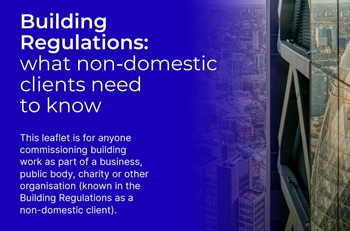
CIOB publishes free advice for non-domestic clients.

Building Safety Newsletter from MHCLG.
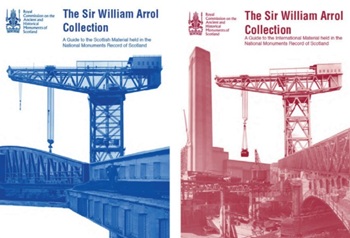
An extraordinary record of steel engineering worldwide.

Households living near new pylons to save on bills.

ECA warns growth must not outpace grid capacity or skills.
The role of the client and decision making

CIOB response to built environment professions call for evidence.
Construction's sustainability reporting revolution
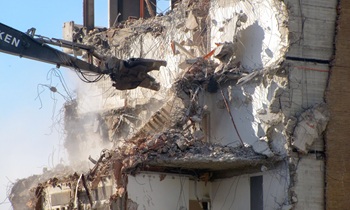
Tracking upfront embodied carbon with digital tools.
ECA welcomes procurement reforms

Public spending must back British jobs and skills.
Campaigning for Edinburgh: the Cockburn Association 1875-2049
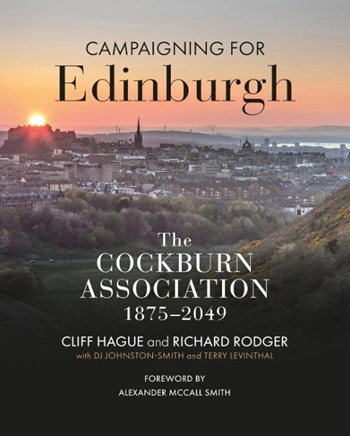
The role of the civic voice in protecting character. Book review.
CIOB photography competition is open for entries.
ECA Edmundson apprentice of the year award

Finalists announced.

Major new study exposes serious knowledge gaps.